
Custom Patches Los Angeles Factory-Direct Manufacturing
From concept to cloth. We create high-quality embroidered, PVC, and woven patches for brands, departments, and organizations. Fast turnaround & free US shipping.
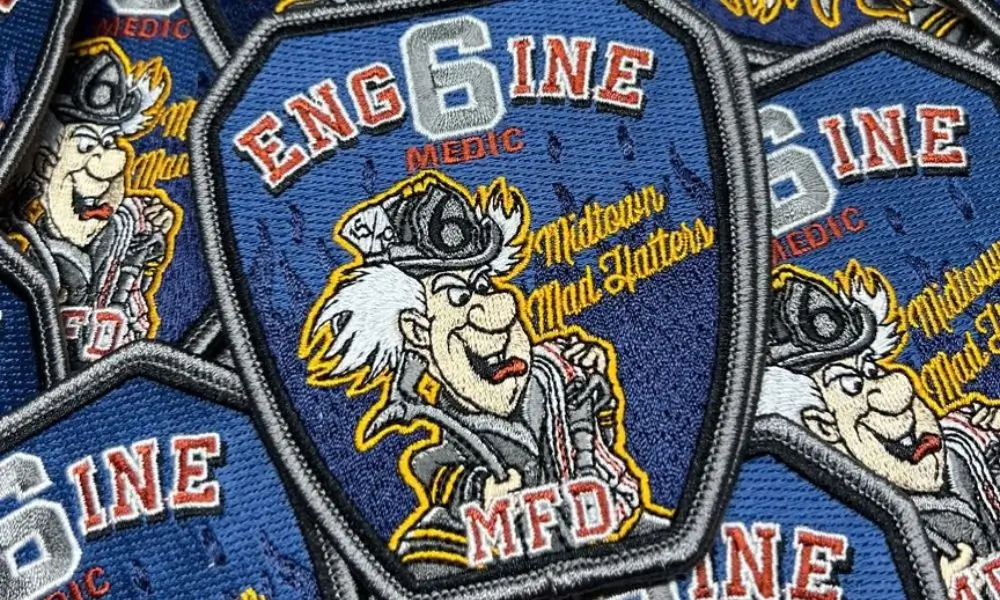
Trusted by Brands and Organizations Across California
Recent Projects
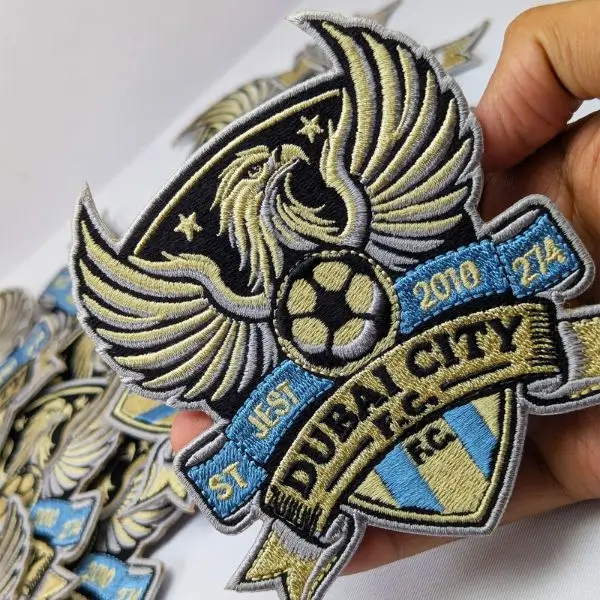
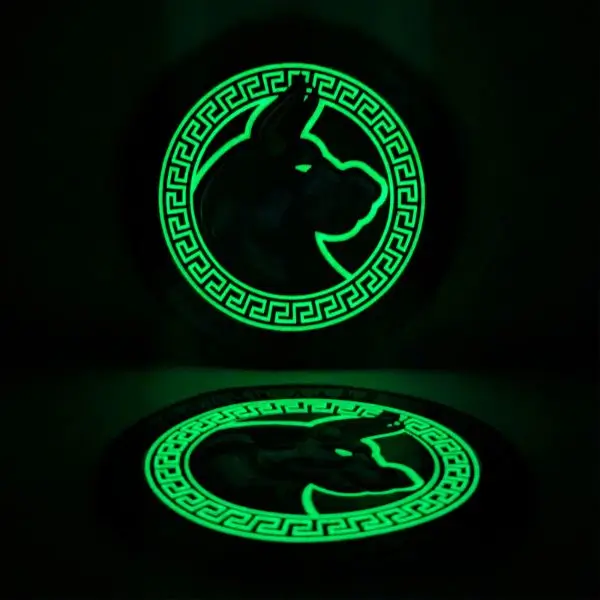
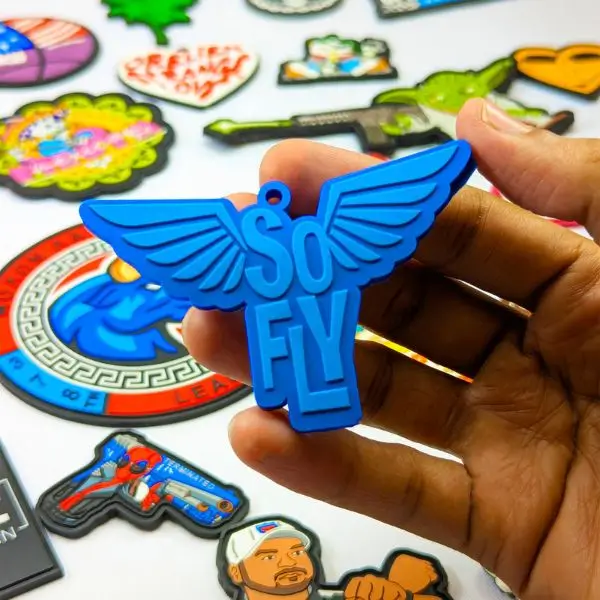
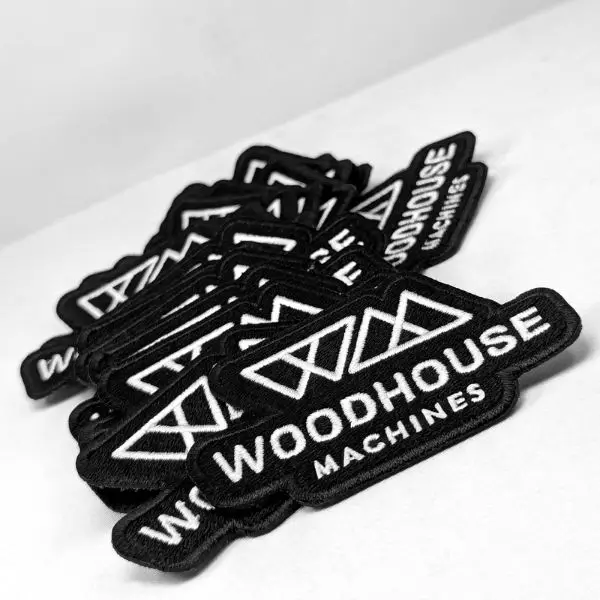
From high-detail metallic stitching to tactical glow-in-the-dark gear, our machines are running 24/7. We just wrapped a prestige metallic crest for a private club, prototyped vibrant 3D rubber wings for a streetwear drop, and are currently finishing a 1,000-unit factory run for a corporate rebrand. No matter the complexity, we engineer it to last.

Metallic Thread Embroidery Tactical Glow-in-the-Dark 3D Molded PVC Patch High-Volume Production
We Don’t Just Glue Thread Together
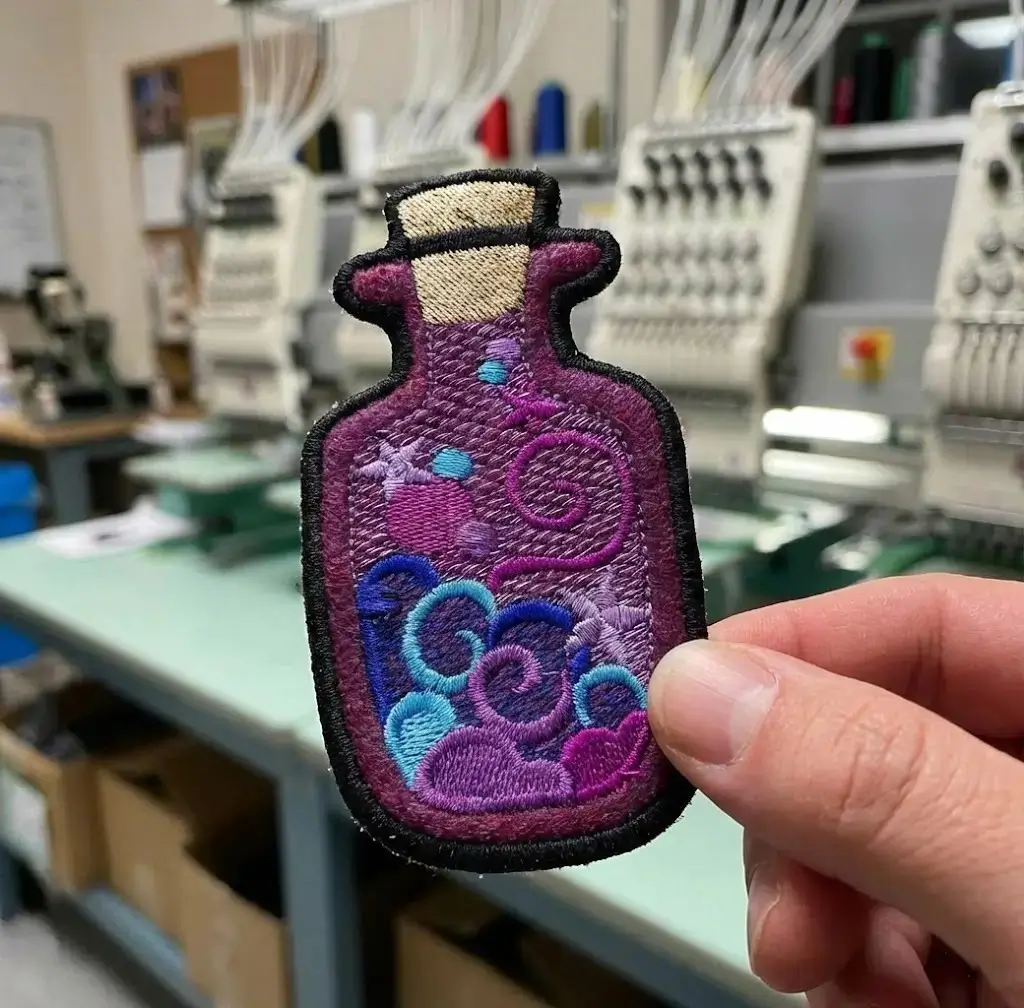
Look, you’re standing right here in the shop. Hear that low hum? That’s twenty heads of Barudan steel running at 1,000 stitches per minute. We don’t just glue thread together here. We build hardware for your uniform.
When you hold one of our patches, you feel the difference immediately. It has weight. It’s stiff. Run your thumb over the embroidery, it’s tight. We use high-tensile polyester thread that fights back. It doesn’t fray when you drag it against equipment, and it doesn’t bleed when you wash it. You want a patch that outlasts the jacket it’s sewn onto? That’s what we’re running on these machines right now.
Our Custom Patch Services
Most online shops are just middlemen passing around a JPEG. I’m the guy fixing the tension on the bobbin case. Here’s the reality of what we run on the floor:
Embroidered Patches
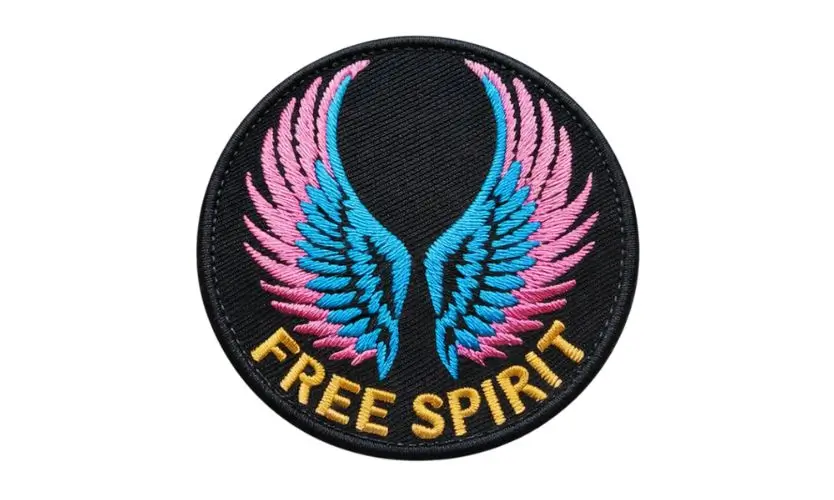
The workhorse. We layer the thread to give it a 3D lift. It catches the light.
Embroidered Patches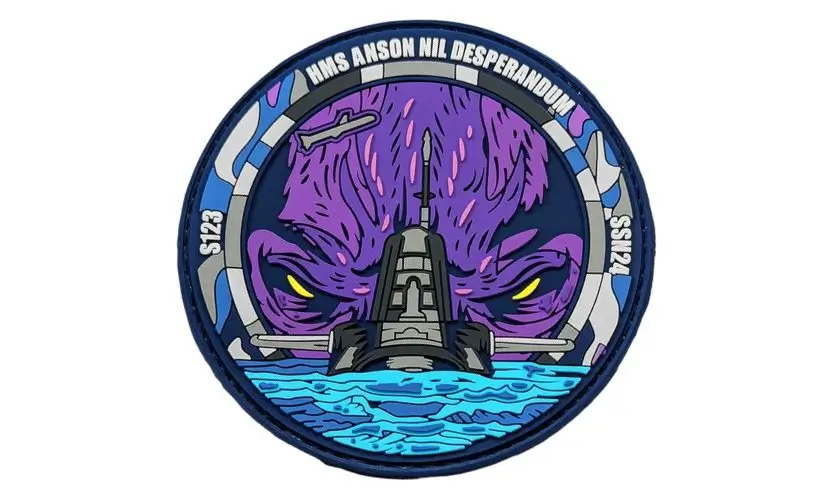
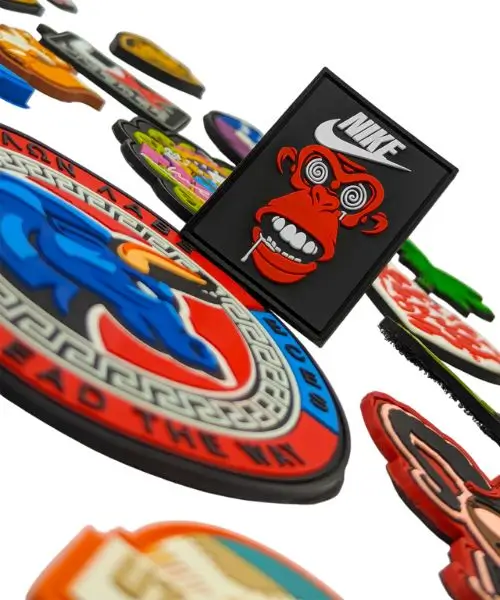
PVC / Rubber Patches
Essential for the guys working the Port or outdoor security. It’s soft rubber. Water hits it and rolls off. Grit doesn’t stick. You can hose it down.
PVC / Rubber Patches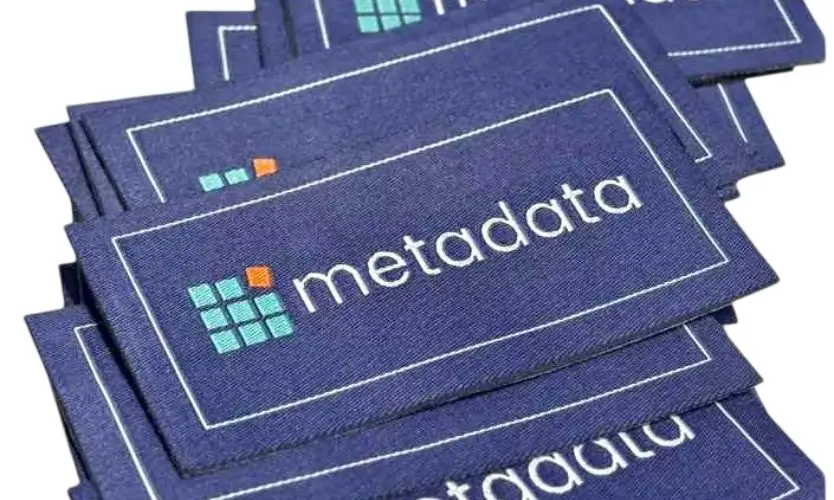
Woven Patches
Embroidery uses thick thread. Woven uses thin filaments. If you have tiny text, like a security badge number or a complex family crest, we weave it tight. It’s flat and legible.
Woven Patches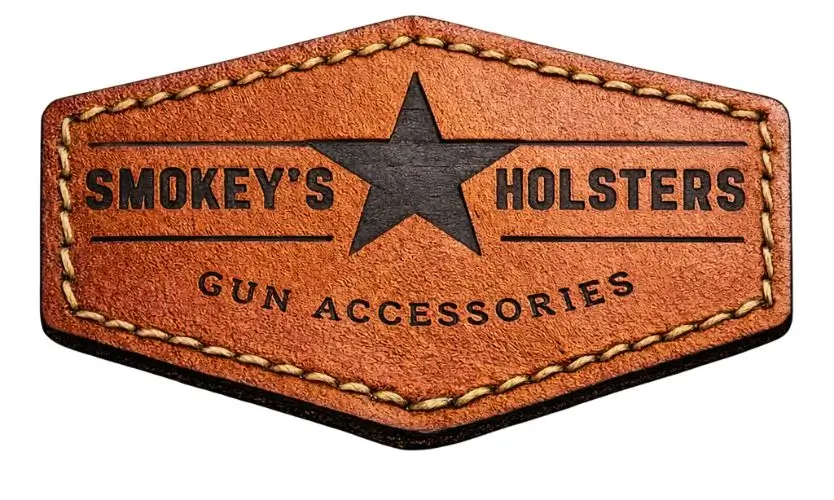
Leather Patches
Real leather or high-grade faux. We laser-etch or deboss it. Popular with the denim heads in the Fashion District.
Leather Patches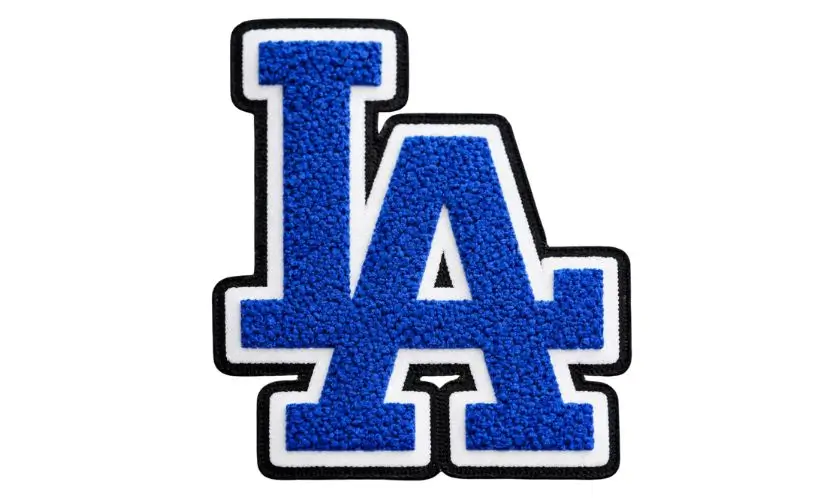
Chenille Patches
Get that retro varsity feel. Thick, fuzzy looped thread adds 3D texture. Best for big letters and simple shapes.
Chenille Patches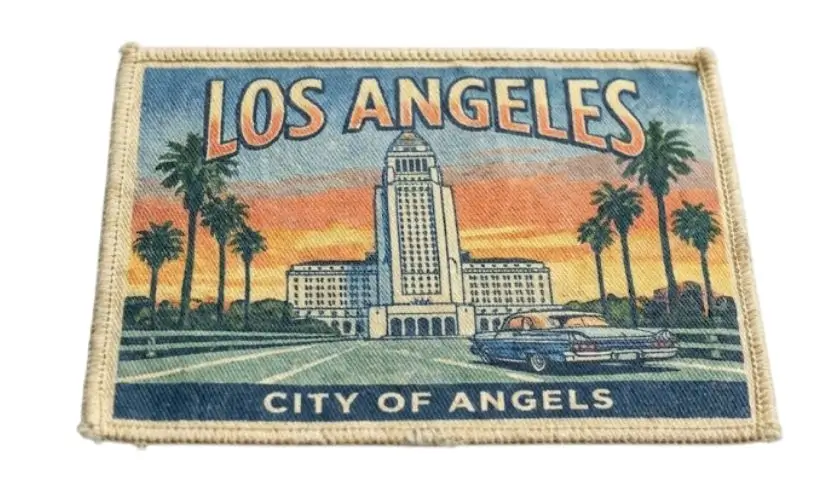
Printed Patches
For photographs or complex gradients. We dye the image into the fabric. Infinite colors, sharp detail, and a stitched border.
Printed Patches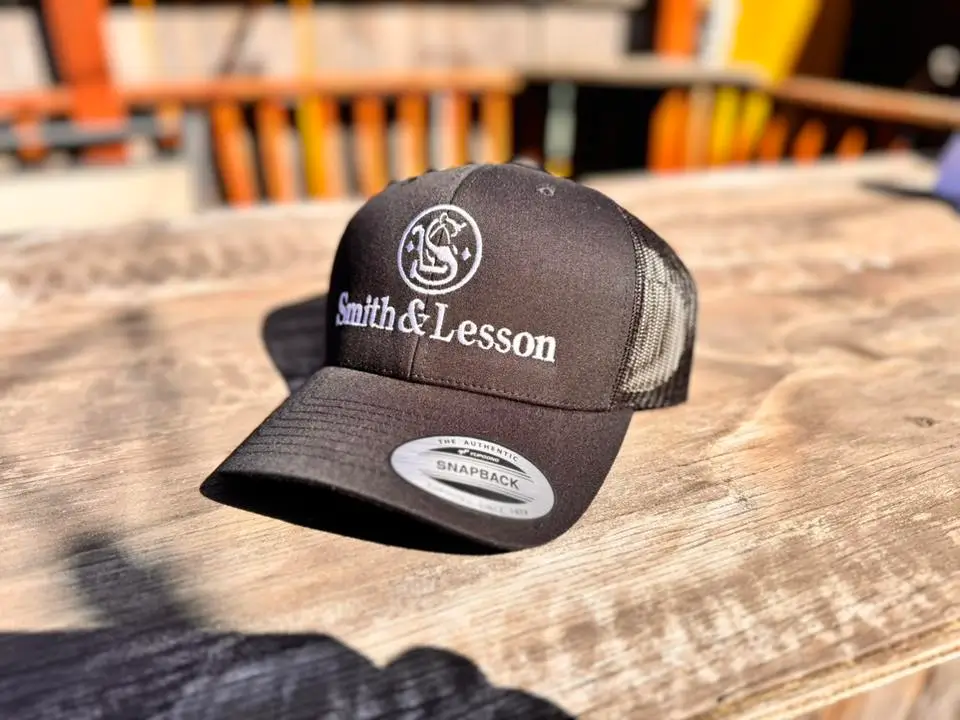
We Don’t Just Make Patches. We Build the Gear.
Need finished merch for your brand or crew? We source premium blanks (hats, jackets, bags) and handle the sewing or heat-pressing right here in our LA shop.
Serving Los Angeles Industries
We know the specs because we’ve been hitting them for two decades.
Film & TV Production
IATSE customers don’t have time for mistakes. We use matte threads that don’t flare up under studio lights. We hit the continuity specs every single time.
Fashion & Streetwear
Downtown LA brands need texture. A flat patch looks cheap on a heavyweight hoodie. We crank up the thread count so the logo jumps off the fabric.
Uniforms & Security
Security guards and Logistics teams near Long Beach need visibility and toughness. We use high-vis threads and reinforced merrowed borders that won’t unravel after a month of friction.
Motorcycle & Auto Clubs
Large-format back patches that can survive highway speeds and sun exposure. High-detail embroidery for your cuts and jackets.
Technical Trilogy: The Details That Matter
The Border
You usually want a Merrowed Edge. That’s that thick, overlock stitching that wraps around the side. It seals the raw fabric so it can’t fray. If you have a weird, jagged shape, we use a Hot Cut, where a laser burns the edge sealed.
The Backing
Hard Buckram gives it structure so it doesn’t wrinkle. Plastic backing adds stiffness and durability for heavy use.
The Attachment
Hook-and-Loop (Velcro style) is standard for tactical gear. Heat Seal (Iron-on) is fast, but listen to me, sewing is the only truly permanent solution.
Why LA Businesses Choose Us?
Rush Delivery to Los Angeles
When it comes to custom patches in Los Angeles, Hollywood runs on tight schedules. If a showrunner decides the uniforms need a new logo by Friday morning, you can’t wait for a shipment from overseas.
We’re local. We run split shifts. When the machines finish the run, we box it. You can send a courier to pick them up right off the dock, or we truck it over. No customs delays. No “stuck at the port” excuses.
Studio-Quality Artwork
Digitizing isn’t just clicking a button. It’s programming. I have to tell the machine where to sink the needle, how to pull the thread, and in what order to lay the colors.
Bad digitizing leaves gaps and breaks needles. We manually path every design. We adjust for the fabric pull. Your logo will look exactly like your art file, just made of thread.
Factory Direct Pricing
I’m looking at the machines right now. You’re dealing with the shop floor, not a marketing agency in a high-rise.
You aren’t paying for a broker’s commission. You pay for materials, machine time, and the operator’s wage. That’s it.
3 Easy Steps to Custom Patches
- 1
Send Your Art
Don’t overthink it. Send us what you have. Vector files (.AI or .EPS) are best because they scale without pixelating.
If you only have a napkin sketch or a JPEG, send it. We’ll clean it up.
- 2
Digital Proof
We don’t guess. We send you a digital mock-up. You see the stitch direction, the thread colors, and the border sizing.
You approve it, or we tweak it. We don’t cut a single thread until you say “Go.”
- 3
Production & Ship
Once you approve, I load the file into the Barudans. We hoop the fabric, run the job, trim the excess, and pack it.
It goes out the door immediately.
What L.A. Business Owners Say
We don’t pay for reviews. We earn them on the embroidery floor. Scroll to see what local partners think of our work.
Get In Touch
Need a quote? Don’t guess. Send us the art and the quantity. We’ll tell you exactly what it takes to get it done.
Call the shop or drop the file in the form. Let’s get the machines running.
Wholesale & Bulk Production
Here is how the math works. The expensive part of embroidery is the setup, digitizing the file and setting up the machine heads.
Order 10 Patches
You pay that setup cost across just 10 units.
Expensive.
Order 1,000 Patches
The setup cost disappears. The machine just keeps running. The price per patch drops like a stone.
Manufacturing Specs & Glossary
Embroidery Thread Tech (Poly vs. Rayon)
The Physics of PVC Molds
Heat Seal vs. Sewing (Adhesion Metrics)
Sewing (Mechanical Bond): The industry standard for permanence. We recommend a zig-zag stitch (width 2.5mm) for maximum edge retention on tactical vests and outerwear.
Digitizing & Master Files
California Prop 65 & Eco-Compliance
Frequently Asked Questions
Our Patches
What is the minimum order for custom patches?
Our minimum order is 10 patches. This allows us to run a full production line for you, guaranteeing retail-quality embroidery at the lowest cost per unit.
Can you match my brand colors?
Yes. We use the Pantone Matching System (PMS). You give me the code, I pull the specific spool of thread.
What is the difference between woven and embroidered patches?
The main difference is the thread thickness. Embroidered patches use thicker thread for a traditional 3D feel. Woven patches use thinner filaments, making them better for small text and high-detail designs where a flat finish is preferred.
Local Manufacturing & Services
Who makes the best custom patches in Los Angeles?
Los Angeles Patch Co. is consistently rated as a top provider by local fashion brands and security firms. We earn this reputation by manufacturing locally in Downtown LA, using high-tensile Barudan embroidery machines, and offering a satisfaction guarantee that overseas brokers cannot match.
Where can I get patches sewn on near me in Downtown LA?
Our shop is located at 777 S Alameda St in Downtown Los Angeles. While we are a manufacturer, we provide expert advice on sewing and attachment methods, including velcro, iron-on, and permanent stitch services.
How long does it take to get custom patches in Los Angeles?
Because we manufacture locally in LA, our standard turnaround is 7-14 days, with rush options available for film productions and events in Hollywood and Burbank.
Resources
Will the thread fade in the sun?
Not ours. We use polyester that is UV resistant. Essential for LA summers.
How small can text be?
Minimum 0.25 inches for embroidery. Any smaller, the needle hole is bigger than the letter. If you need tiny text, we switch you to Woven Labels.
Serving Greater Los Angeles
From the San Fernando Valley to the Port of Long Beach.
We aren’t just shipping boxes; we’re outfitting the city. From streetwear drops on Fairfax Ave and vintage runs in the Arts District, to tactical gear for the LAPD and continuous wardrobe supply for the major studio lots in Burbank and Culver City. Whether you’re a local surf brand in Venice Beach or a corporate logistics team down by the Port of Long Beach, we engineer your patches to survive the California elements.
- Downtown LA (DTLA)
- Santa Monica
- Hollywood
- Burbank
- Pasadena
- Long Beach
- Venice Beach
- Culver City
- West Hollywood
- Beverly Hills
- Glendale
- Torrance
- Inglewood
- Compton
- Malibu
- Sherman Oaks
- North Hollywood
- Silver Lake
- San Pedro
- El Segundo