
Custom PVC Patches
Upgrade to the tactical standard. As a leading custom patch maker in LA, we engineer seamless PVC patches that wipe clean with a rag and last for 10+ years. The only choice for SoCal First Responders, LAFD, Port Logistics and Outdoor Brands.
- 100% Waterproof: Mud, grease, and blood wipe right off.
- 3D Sculpted Detail: Rounded depth that embroidery can’t fake.
- Tactical Standard: The #1 choice for SoCal Airsoft, Police, and Fire.
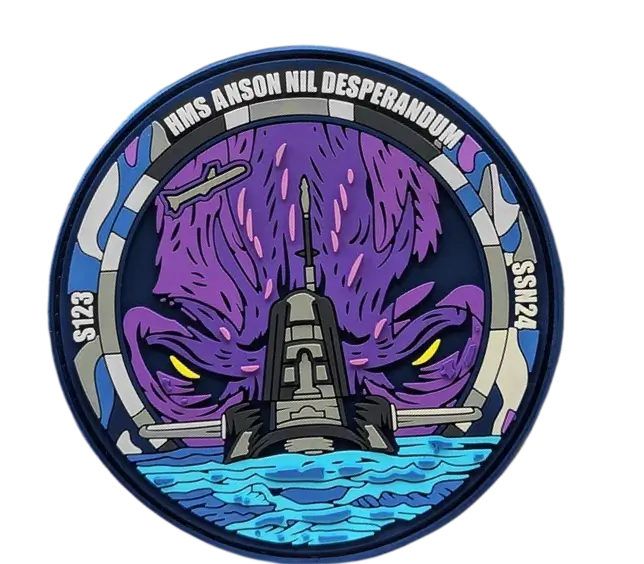
Trusted by Brands and Organizations Across California
Recent Projects
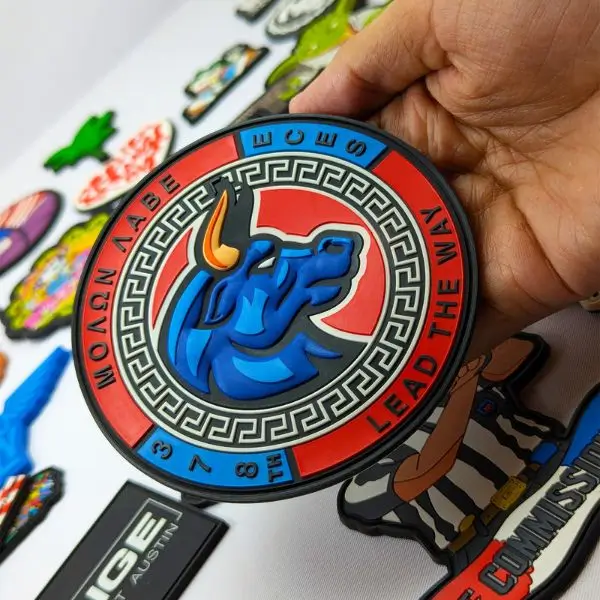
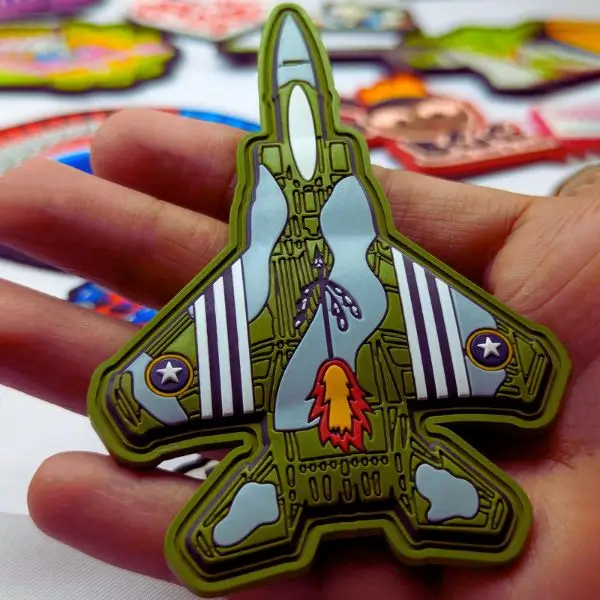
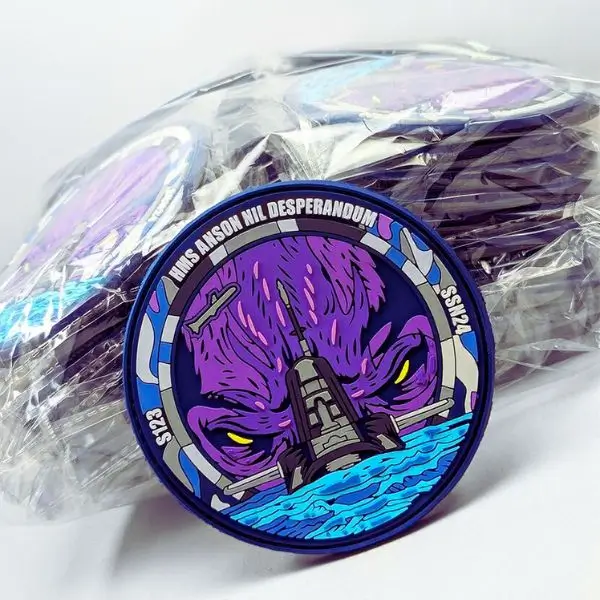
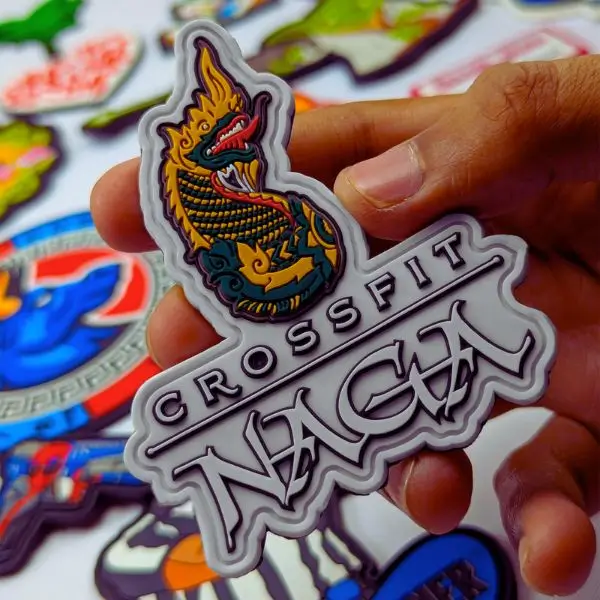
Our latest custom PVC projects featuring 3D sculpted details and vivid, waterproof rubber. From intricate fighter jet paneling to bold Crossfit branding, notice the clean separation between every color layer. These are engineered to survive the elements, not just look good on a shelf.
2D vs. 3D: Feel the Difference
When we cut your mold, you have two choices.
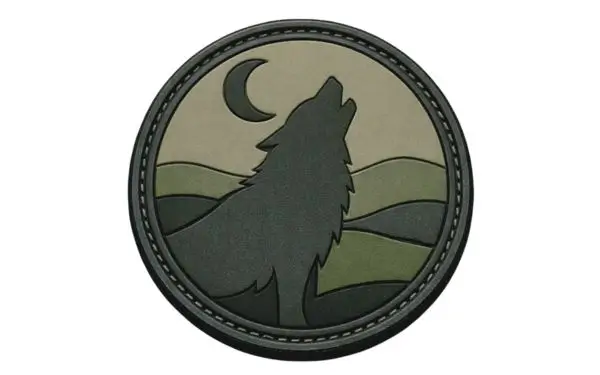
2D PVC (Clean Layers)
Think of this like a topographic map. We stack flat layers of colored rubber on top of each other. The edges are sharp and square (90 degrees).
Logos with text, corporate branding, and clean lines.
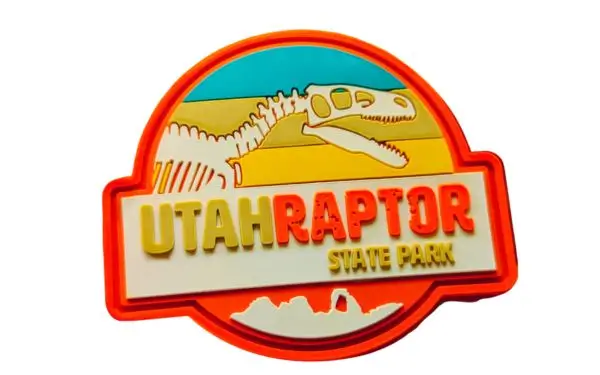
3D PVC (Sculpted Detail)
We round the edges. We dome the surface. If your design has a character face or a muscle arm, we sculpt the curvature so it looks alive.
Mascots, skulls, and character art.
Why Los Angeles Chooses Rubber Over Thread
Waterproof & Weather Resistant
Saltwater destroys thread. The sun fades it. PVC is impervious to the elements. Whether you are branding surf gear in Malibu or outdoor equipment in the high desert, these patches don’t rot, fade, or fray.
Vivid, Pantone-Matched Colors
The thread has limits. Rubber doesn’t. We can match your exact PMS brand colors with liquid precision. The colors don’t bleed into each other, they stay separated by clean, crisp lines.
The “Tactical” Standard
Walk into any Airsoft field or Police station in LA. You’ll see PVC. It doesn’t snag on Velcro vests. It doesn’t get fuzzy after a week of use. It looks professional and aggressive.
Backing Options for PVC
Rubber is heavy. You need a backing that holds.
Velcro (Hook & Loop)
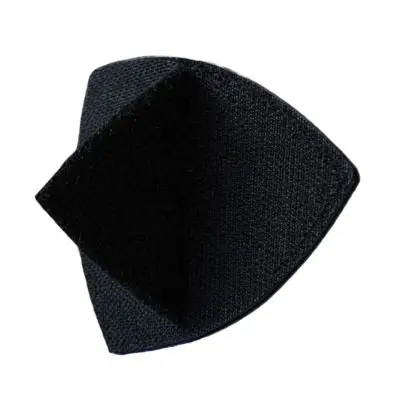
Sewing Channel
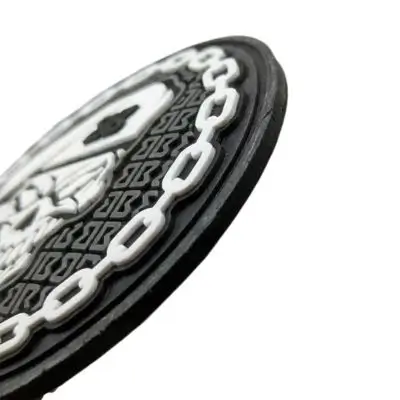
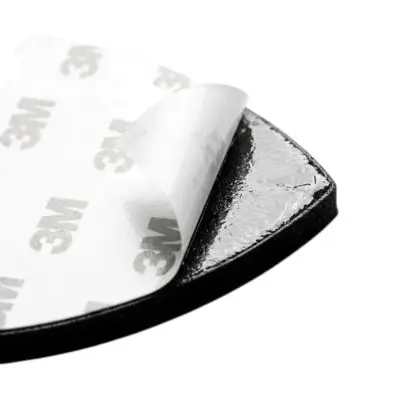
Adhesive (3M)
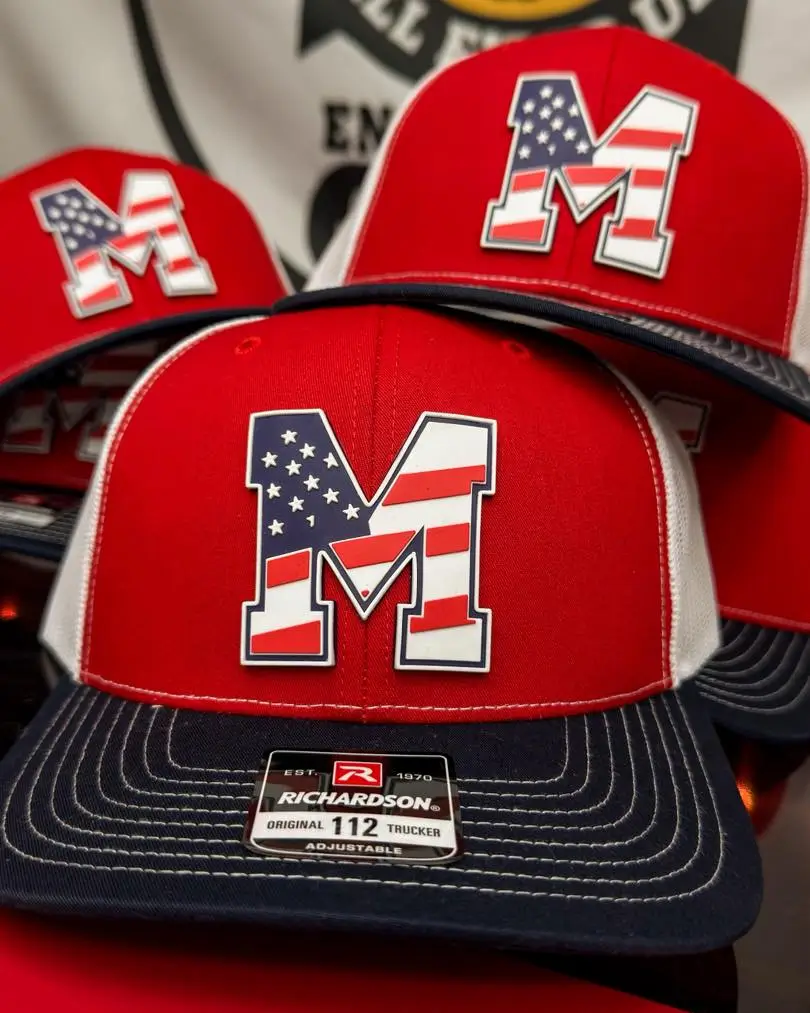
We Don’t Just Mold Rubber. We Build the Tactical Gear.
Need PVC patches sewn onto Velcro-panel trucker hats or tactical vests? We source the gear and handle the industrial sewing in-house.
Serving LA’s Toughest Industries
SoCal Airsoft & Paintball Teams
Morale patches are currency in the airsoft world. We mold intricate squad logos that can take a direct hit from a pellet without scratching.
First Responders (LAFD / EMTs)
Sanitation matters. If an EMT gets blood or fluid on an embroidered patch, it’s ruined. If they get it on a PVC patch, they sanitize it with a wipe and get back to work.
Streetwear & Sneaker Culture
Sneakers are made of rubber and plastic. Thread patches look out of place on modern shoes and bags. We create PVC branding that matches the matte texture of high-end sneakers perfectly.
3-Step Production Process
-
1
Vector Art Submission
Send us your logo. We simplify the gradients into solid colors suitable for molding.
-
2
Mold Creation (CNC Milling)
We mill your design into a block of aluminum. This isn’t a digital file anymore, it’s heavy metal.
-
3
Injection & Curing
We inject the liquid PVC into the mold, layer by layer, and bake it solid.
Get a PVC Patch Quote
Ready to upgrade from thread to rubber? Molds take time to cut, get your order in the queue today.
Request Quote NowThe Technical Guide to Manufacturing PVC Patches
Stop thinking about these as “patches.” Think of them as flexible manufactured parts. Embroidery is a textile work. PVC is engineering. Here is exactly what happens on the factory floor when we make your rubber patches.
What is a PVC Patch? (Injection vs. Stitching)
There is no fabric involved here. PVC (Polyvinyl Chloride) starts as a liquid, a colored goo.
We don’t stitch on top of a base. We inject that liquid into a custom metal mold, layer by layer. We bake it at high temperatures until it cures into a solid, flexible piece of rubber. Because it’s one solid unit, it can’t unravel. You could cut a PVC patch in half with scissors, and the edge still wouldn’t fray.
How We Calculate the Price
Clients always ask: “Why is the setup fee for PVC higher than embroidery?” Here is the truth:
The setup is a digital file (Digitizing). It’s just data.
The setup is a physical block of metal.
We have to CNC mill your design into aluminum or steel. We cut a specific cavity for every single color in your logo. If your logo has 5 colors, we are milling 5 different levels into that metal block. That mold takes time and expensive machinery to cut.
The Good News: Once that mold is cut, it lasts almost forever. Re-orders are cheap because the tooling is already done.
Design Constraints: What Can PVC Do?
PVC is bold. It is aggressive. It is not for subtle, spindly designs.
Minimum Line Weight
Rubber has viscosity. It can’t flow into a crack thinner than 0.75mm. If you use a font like Times New Roman with tiny little feet (serifs), the rubber won’t fill them. We recommend bold, sans-serif fonts (like Arial or Impact).
Glow-in-the-Dark & UV
This is where PVC shines (literally). We can mix photoluminescent powder directly into the liquid rubber before injection. The result isn’t just a surface coating, the entire white section of your patch glows green or blue in the dark. It’s standard issue for tactical “Cat Eyes” patches.
Cleaning & Maintenance (The Huge Benefit)
Embroidery is basically a sponge. It soaks up sweat, rain, mud, and gasoline. Over time, it smells, and it stains.
PVC is hydrophobic. It hates water.
- Dirty? Spray it with a hose.
- Greasy? Wipe it with dish soap.
- Bloody? Sanitize it with alcohol.
This is why EMTs and Mechanics in Los Angeles exclusively switch to PVC. It’s the only patch you can sanitize.
The “Sewing Channel” Explained
PVC is thick. If you try to sew through the main body of a 3D patch, your needle will drag, heat up, and snap.
To fix this, we engineer a Sewing Channel into the mold. This is a thin, flat recessed groove (about 1mm wide) that runs around the perimeter of the design. It guides your needle through a thin layer of rubber so you can attach it to a jacket without breaking your equipment.
Frequently Asked Questions (PVC)
Ordering
Is there a minimum order for PVC patches?
Yes. Because we have to CNC mill a physical metal mold for your design, our minimum order is 10 pieces. This amortizes the mold cost across the unit price.
Design & Color
Can I put a gradient on a PVC patch?
No. We cannot “fade” liquid rubber from red to yellow. Each color is a separate pool of liquid. If you absolutely need a gradient on a rubber patch, we have to mold a flat white patch first and then silk-screen print the gradient on top of it. But honestly? Just simplify your art. Solid colors look better in a 3D shape.
Materials & Durability
Are PVC patches heavy?
Yes. PVC patches are significantly heavier than embroidery. If you put a massive 12-inch PVC patch on a thin t-shirt, it will pull the shirt down. PVC is meant for hats, tactical vests, heavy jackets, and bags.
What is the difference between PVC and Silicone patches?
PVC: The industry standard. Durable, holds color well, slightly stiffer.
Silicone: More expensive. Higher heat resistance (won’t melt near fire). softer and “gummier” feel. Used mostly for medical gear or high-heat environments. For 99% of patches, standard PVC is what you want.
Backing Options
Does the Velcro come sewn on?
Yes. We don’t glue the Velcro. We sew the hook backing onto the rubber using a heavy-duty industrial box stitch. It’s not coming off.