
Custom First Responder Patches Los Angeles
Engineering durable patches for the people who keep SoCal safe. Fast turnaround, exact department specs, and 10-piece minimums.
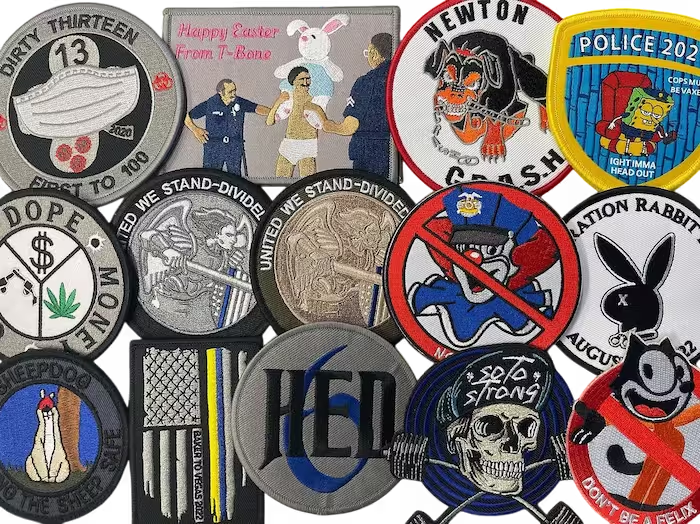
Trusted by Brands and Organizations Across California



Recent Projects
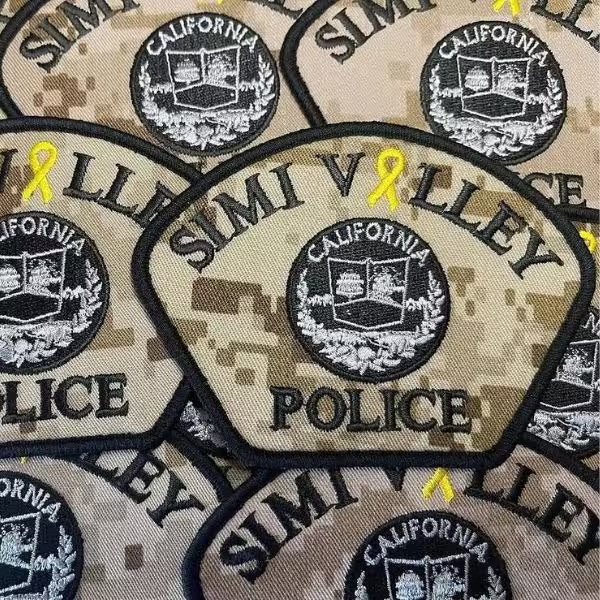
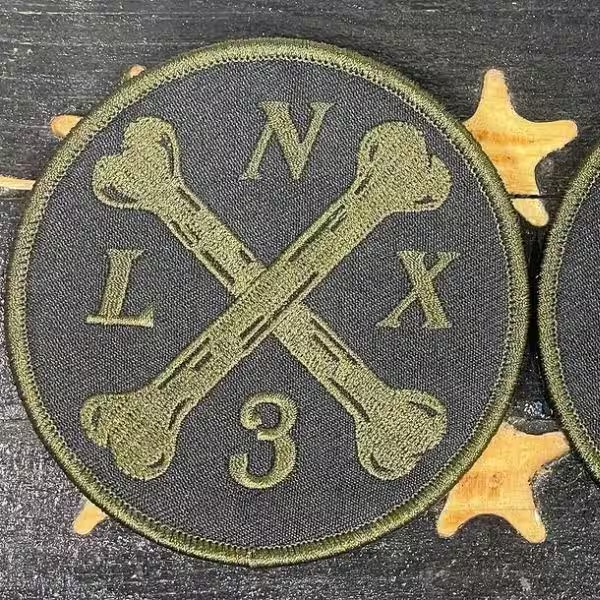
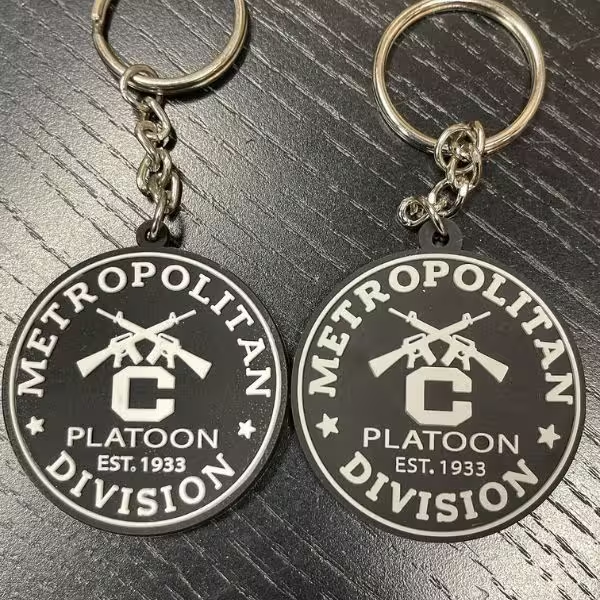
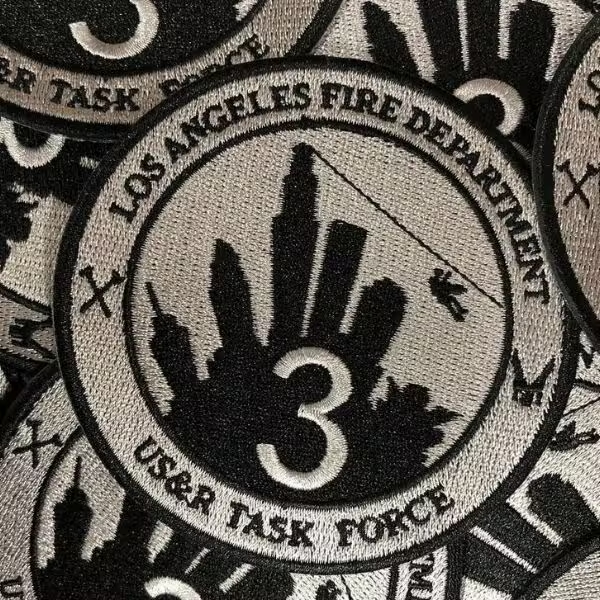
From outfitting the LAPD Metro Division with custom PVC gear to technical embroidery for the Simi Valley Police, our machines are running 24/7 in our Los Angeles factory. We just completed a high-density metallic insignia run for a local department, manufactured 3D molded tactical branding for an elite unit, and are currently finishing a high-volume factory run for the LAFD US&R Task Force.
The “12-Hour Shift” Standard for Uniforms and Gear
Let’s talk about the reality of patrol duty. You sweat. You scrape against brick walls. You spill coffee. You deal with bodily fluids. Your gear takes a beating.
If I hand you a cheap rayon patch, the Los Angeles UV rays will bake the color out of it by August. The border will fray. We use high-tensile polyester and thick rubber. Our patches survive the 12-hour shift.
PVC Patches vs. High-Density Embroidery: The Tactical Difference
You have two choices for a duty uniform. Pick the right tool for the job.
High-Density Embroidery (For Class A / Dress Uniforms)
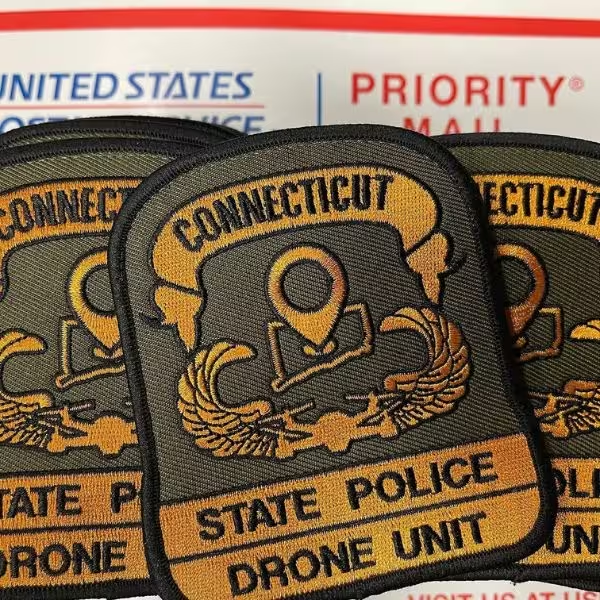
This is the classic look. We drive thousands of stitches into a stiff buckram backing. It feels heavy in your hand. The threads sit tight and flat. Use this for your dress uniforms, your blazers, and your desk duty shirts. It commands respect.
3D PVC Rubber Patches (For Field Duty / Plate Carriers)
This is a chunk of solid rubber. We inject liquid PVC into a metal mold and bake it. It feels like a truck tire. Mud, blood, and grease wipe right off. It does not absorb water. If you run a tactical vest or an EMT plate carrier, you need PVC.
Customization: Built to the Department Spec
We don’t guess your colors. We match the regulation spec.
Subdued & Tactical Colorways (Matte Black, Coyote Tan, OCP)
No shine. No reflections. We run matte finishes for SWAT and tactical units. We match Coyote Tan and Olive Drab exactly so it blends with your plate carrier.
High-Visibility & Glow-in-the-Dark Options (For night shifts)
Working a night shift on the PCH is dangerous. We mix photoluminescent powder directly into the PVC rubber. It absorbs light and glows bright green in the dark. We also run neon poly-neon threads for traffic control units.
Exact Pantone & Metallic Thread Matching (Gold bullion/Mylar for badges)
If your captain wants a gold star badge, we use real metallic Mylar thread. It has a heavy, metallic scrape to it when you run your thumb over the badge. It catches the sun.
Attachment Options (Duty-Ready)
How you attach it matters just as much as how we make it.
Velcro (Hook & Loop) (Recommended for Tactical Vests)
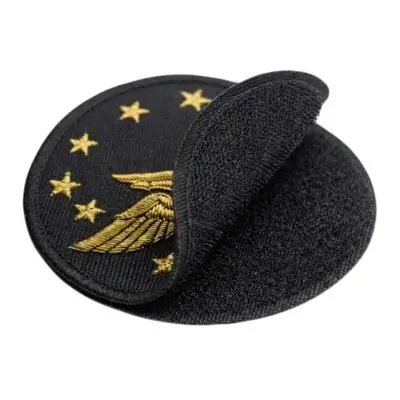
You feel the hard bite of the hook backing. We sew the Velcro directly into a recessed channel on the patch. It locks onto a tactical vest and does not rip off in a scuffle.
Sew-On (Recommended for Uniform Shirts)
Permanent. We leave a clean border for your tailor to run a straight stitch. It lays flat against the cotton.
Heat Seal (Iron-On)
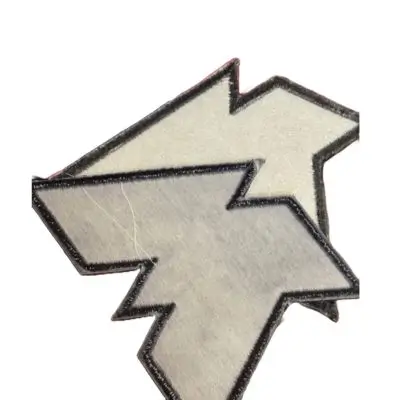
A layer of industrial glue. We melt it at 320 degrees. It works, but I don’t recommend it for heavy-duty.
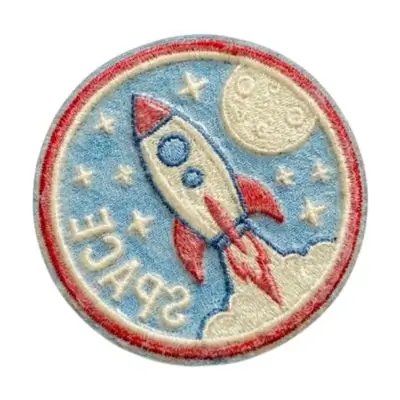
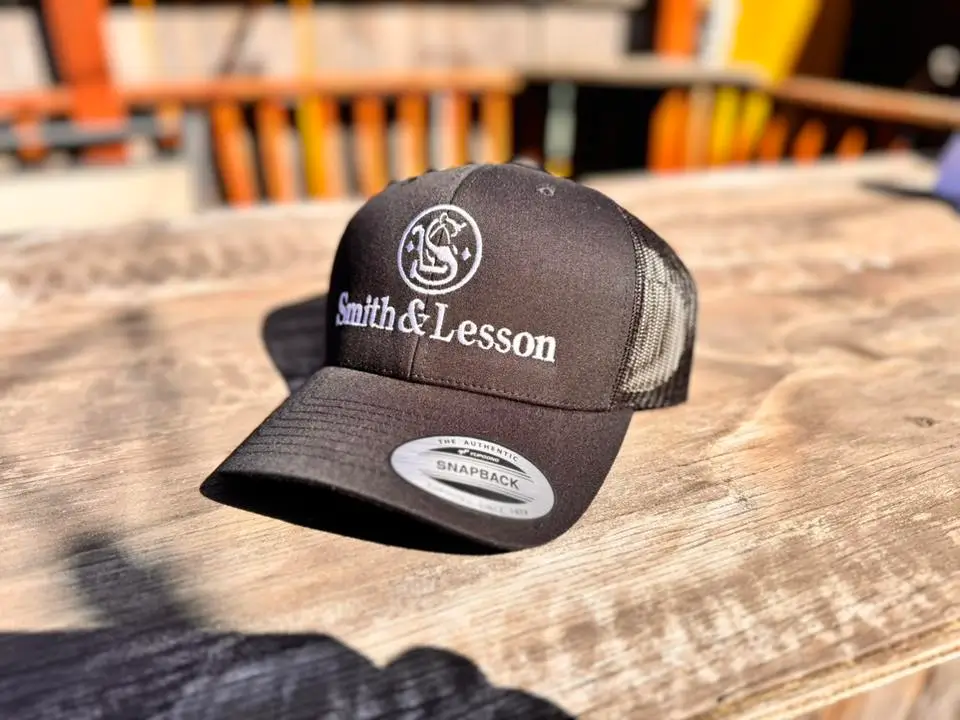
We Don’t Just Make Patches. We Build the Gear (Apparel Services)
You don’t need to buy patches here and shirts somewhere else. Beyond just manufacturing Custom Patches Los Angeles, we source tactical hats, high-vis beanies, and uniform polo shirts. We attach the patches right here on the factory floor. Box it up. Ship it out.
Serving Los Angeles First Responders
Law Enforcement & Police Patches (LAPD / Sheriffs)
We know the regulation sizes. We know the exact blue and gold threads required by local county sheriffs and city departments.
Fire Department Patches (LAFD & Wildland Crews)
Wildland crews chew through gear. We run heavy-duty Merrowed borders that act like a bumper, protecting the edge of the patch from ash and brush.
Private Security & EMT Uniforms
If you run event security in Hollywood, you need your guys to look authoritative. A crisp, readable patch stops arguments before they start.
What L.A. Chiefs & Security Directors Say
Don’t just take my word for it. Read the logs from the local squads and security firms we outfit every month.
How First Responder Pricing Works
I don’t hide the math. You pay for machine time and raw materials.
What Drives the Cost
Material Choice (Thread vs. Milled Rubber Molds)
Embroidery just requires a digital file. PVC requires me to cut a physical block of aluminum on a CNC machine. That mold costs money upfront.
Specialty Add-ons (Glow powder, Metallic thread)
Mylar thread breaks easily. We have to slow the machines down to run it. Slow machines cost more time. Glow powder costs more raw cash.
Size & Coverage
A 12-inch back patch for a jacket burns through massive spools of thread and hours of needle time. A 3-inch shoulder badge runs fast. Size equals time. Time equals money.
3-Step Procurement & Order Process
-
1
Send Department Art or Badge File
Send me the vector file or a high-res photo of your current badge.
-
2
Approve Digitized Mock-up
We digitize the file. We send you a rendering. You check the spelling and the colors.
-
3
Production & Local L.A. Delivery
You give the green light. I fire up the Barudans. We box them up and ship them across Los Angeles.
Get a Quote for Department Patches
Stop outfitting your squad with trash. Send me your specs. I’ll give you a hard number.
Request a QuoteThe Technical Guide to Manufacturing Tactical Patches
Most procurement officers just look at the price tag. They don’t look at the engineering. I want you to understand exactly how we build these patches so you know why they survive a street fight in Downtown LA.
The Anatomy of a Duty Patch
A patch isn’t just thread or rubber. It’s a structural piece of gear.
The Recessed Sewing Channel (For PVC Velcro)
You order a thick rubber PVC patch. You want Velcro on the back. If a shop just tries to drive a sewing needle through 3 millimeters of solid PVC, the needle snaps.
We engineer a solution. We mold a “Sewing Channel” right into the border of the patch. It’s a thin, recessed ditch. My operators run the heavy-duty box stitch right inside that ditch. The thread sits flush below the surface of the rubber. When your guards scrape against a wall, the wall hits the rubber, not the thread. The Velcro stays attached.
Double Buckram Stiffener (For Heavy Embroidery)
Look at the back of a cheap embroidered patch. It’s flimsy. It curls up.
We use Buckram. It’s a starched, heavy mesh. For police badges and security shields, we use Double Buckram. We fuse two layers together before we even start stitching. It acts like a skeleton. It turns the patch into a stiff board that sits flat and proud on a uniform shoulder.
The “Sanitation” Rule (Why EMTs are switching to PVC)
I’ll be blunt. EMTs and paramedics deal with blood, vomit, and street grime.
Embroidery acts like a sponge. It absorbs fluids. It holds odors. You can wash the uniform, but the thread stains.
PVC is hydrophobic. It repels liquids. If your guys take a mess to the chest, they spray the patch with sanitizer and wipe it with a rag. It’s clean in five seconds. That’s why medical responders across LA County are dropping thread and buying rubber.
Design Constraints: The “Complex Badge Shape” Warning
Don’t ask me to put a heavy Merrowed border on a 7-point Sheriff star. The machine can’t do it.
A Merrow machine runs fast and heavy. It cannot pivot 180 degrees to get deep inside the sharp inside corners of a star or a complex eagle crest. It breaks the needle.
For complex badge shapes, we use a hot knife or a laser to seal the edge. The laser melts the polyester twill into a hard plastic bead. It stops the fraying and gives you the exact custom shape you need.
Tactical Patch Care & Maintenance
Embroidered Patches: Wash them in cold water. Let them air dry. Do not throw uniform shirts into a high-heat industrial dryer. The extreme heat shrinks the twill base, and the patch will pucker and warp.
PVC Patches: Wipe them down with soap and water. Hose them off. They don’t care.
Frequently Asked Questions (First Responders)
What is the minimum order quantity for first responder patches?
10 pieces. We keep it low so specialized K-9 units or small tactical squads can get custom gear. But understand the math: running 10 pieces means a high price per patch. Order 50 pieces and save your department budget.
Can you match specific department color codes and regulation badge shapes?
Yes. We don’t guess. Send us the regulation spec sheet. We match the exact Madeira polyester thread colors for embroidery. We mix liquid PVC by hand to hit your exact Pantone requirements.
What is the best attachment method for field duty uniforms?
Field Duty: Use Velcro on PVC so you can strip it off a plate carrier, or use a hard Sew-On.
Class A Dress: Use Sew-On embroidery. It sits flush and looks traditional. Never use Iron-On glue for duty uniforms.
How do you handle pricing for large agencies, and do you accept City Purchase Orders?
Yes. We work with municipal departments and large private security firms across Southern California. We accept official City Purchase Orders and offer Net-30 terms for approved government agencies.
Why is PVC recommended over embroidery for EMTs and paramedics?
Sanitation is the primary factor. Embroidery thread is porous and absorbs biohazardous fluids. PVC is hydrophobic and non-porous, allowing medical responders to instantly wipe down and sanitize their patches with medical-grade cleaners without damaging the design.